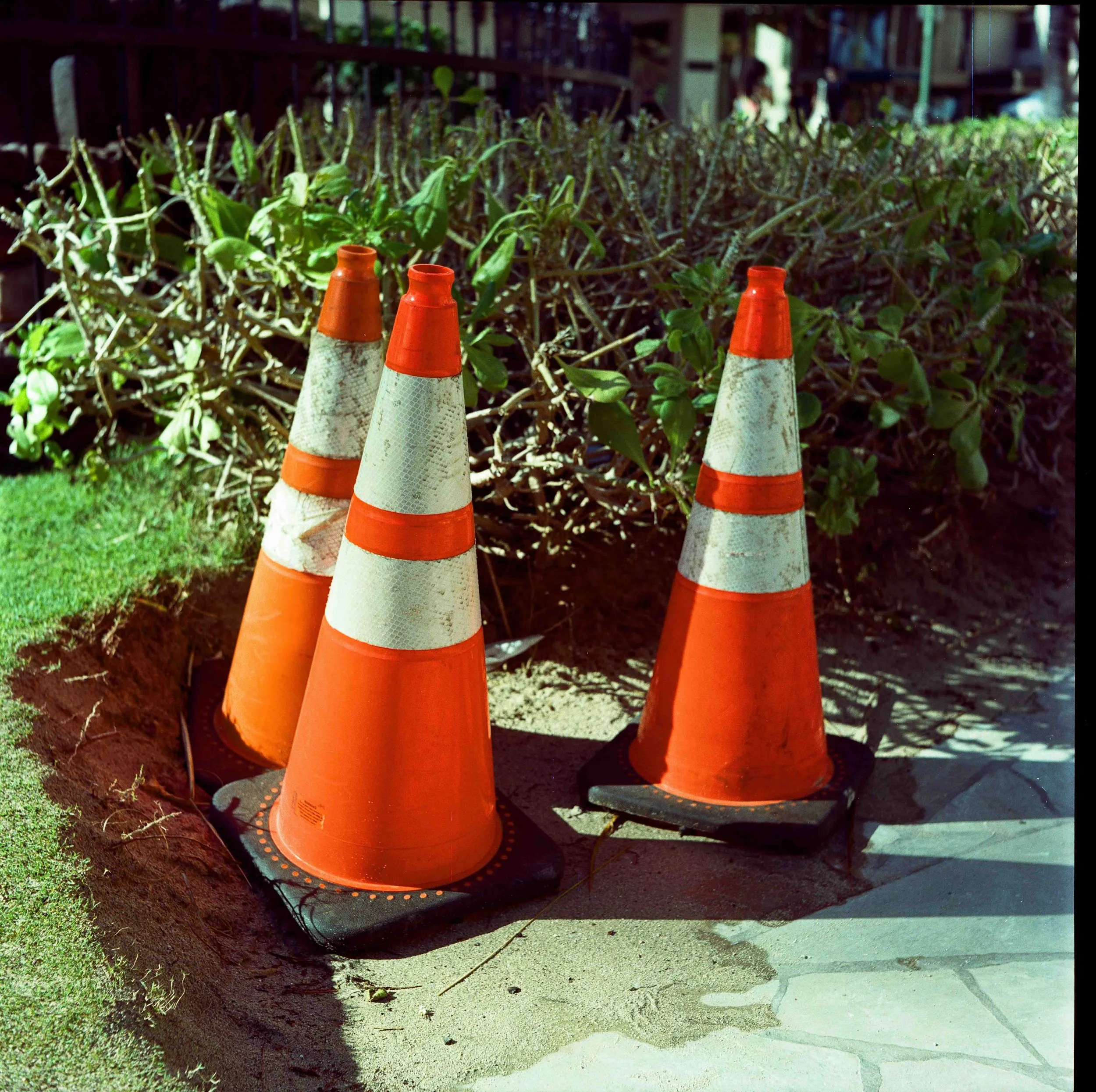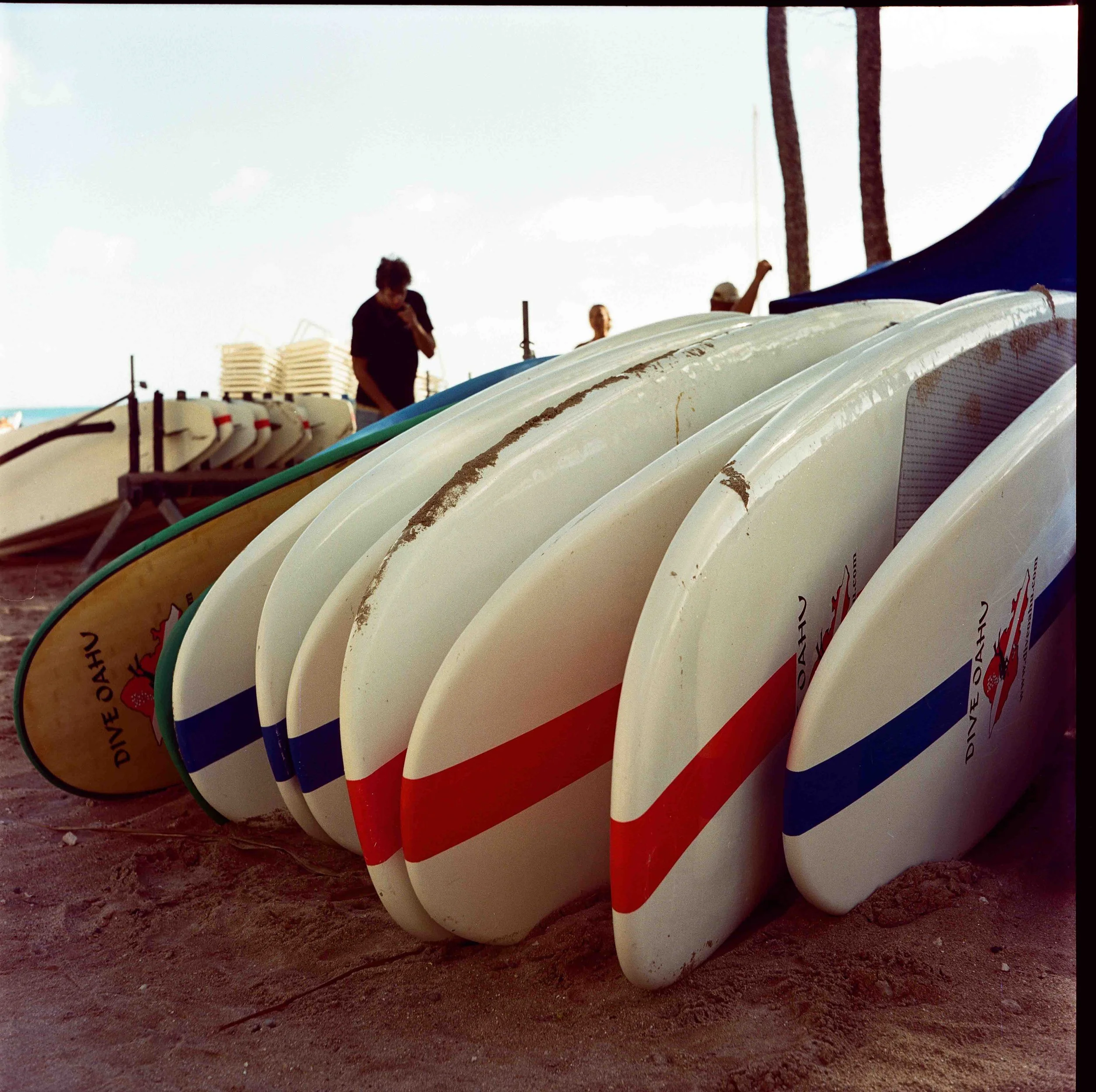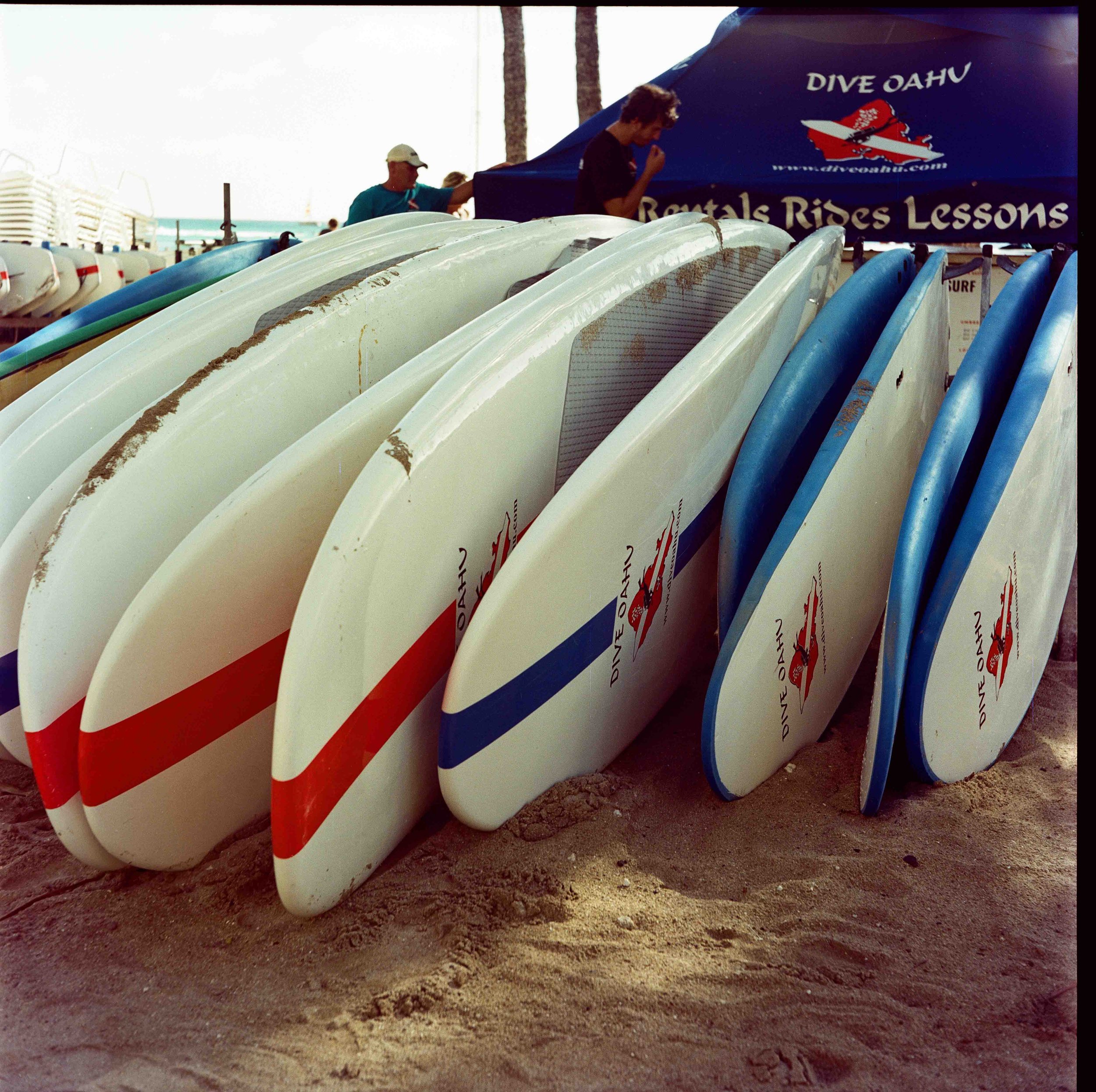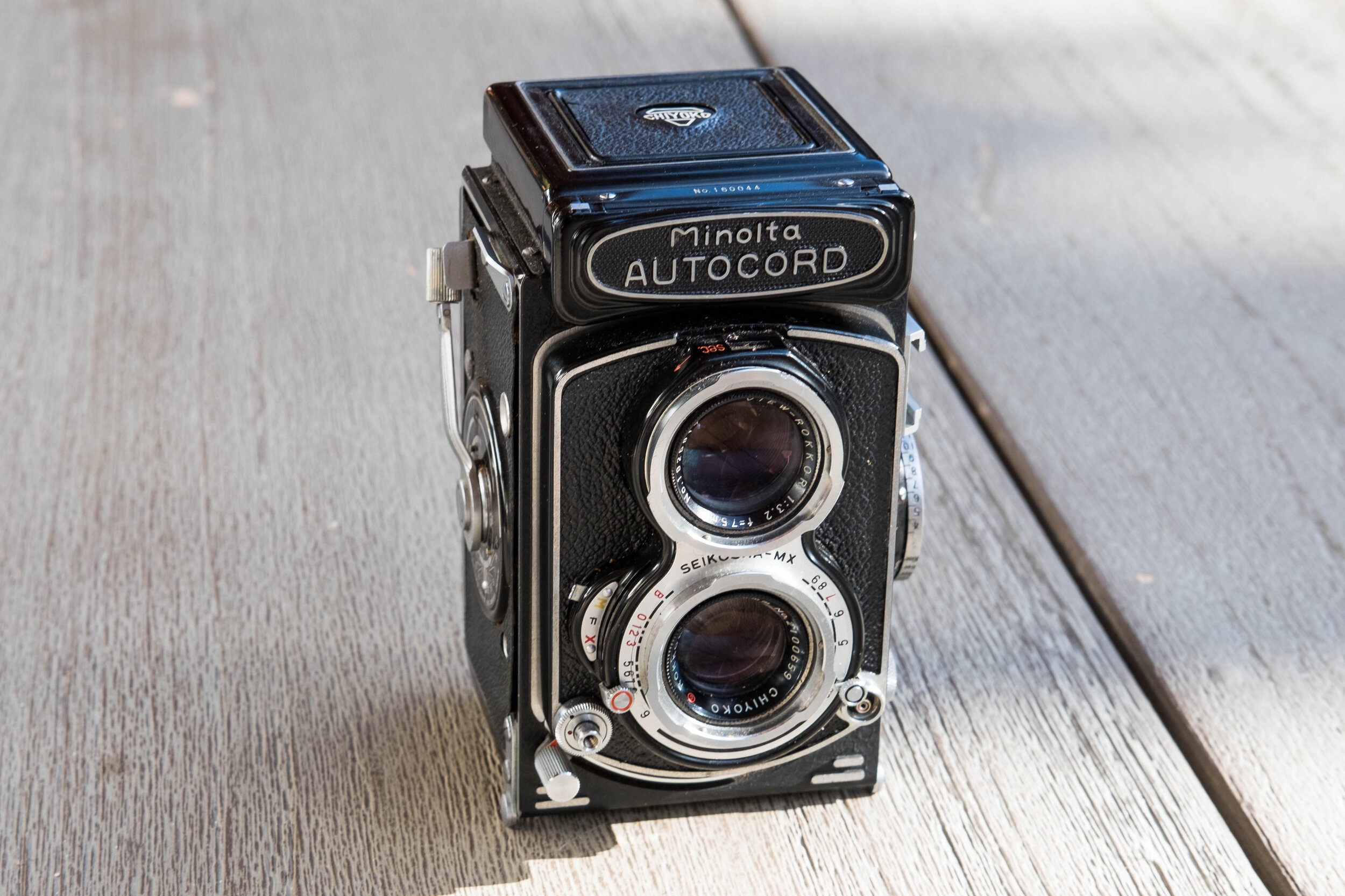
Minolta Autocord LMX
The Minolta Autocord LMX was introduced in 1958. The Autocord line originated in 1955 and covered multiple twin-ens Reflex cameras until the late 1960s. The LMX and non-LMX were both introduced at the same time, with the LMX including a Selenium meter that the non-LMX lacked.
TLR (twin-lens reflex) are an interesting sub-set of cameras. As the name implies they use two lenses rather than the standard single lens that most cameras use. With a single lens you focus and shoot through the same lens or in the case of a range finder you focus and frame without the lens but shoot through the lens. With a TLR you have one lens for viewing, normally the upper lens, and one that actually takes the photo. The taking lens also houses the aperture and shutter.
My experience with TLR cameras in the past have included the Yashica-A and the Lubitel 166. One of them is a decent budget version of a TLR and the other is a sub-budget version made by the same company that inspired Lomagraphy. The Autocord feels much higher quality than either of them. The king of this catagory, and the one that Minolta would have been chasing, was the German Rollei Rollifex. Depending on the version, a Rollifex can go for 10x or more the price of the Autocord. Did they catch them? I don’t know but I’m guessing not.
All of the 15 plus Autocord version seem to have used the Rokkor 75mm f/3.5 lens for the taking lens. The real variations were in the shutter that was used in the lens, if it had a meter and some changes in the speeds. Beyond that there seem to be some design changes along the way but they all look like a box and focus from the top.
Like many TLR cameras of the time the Autocord is a medium format camera requiring 120 film. This Autocord is called the LMX because in includes a selenium light meter. The meter is adjustable for ISO 10 to 1600 but is not integrated into the camera exposure controls and give you a Light Value, so you’ll need to do the math. My meter seems to be responsive to light, but I just ignored it in favor of “Sunny 16” shooting. The film door pivots to give ample room and was simple to load.
My Take:
This was not my first TLR so I know going in about some of the quirks. Like focusing on a waist-level finder through the top of the camera. I even opened the top on my first try. I also, knew to use the built in magnification lens to help my old eyes get something close to focus. I found that for me the best way to use it in normal light was to think of it as a zone focus camera and not sweat it too much. I like the 6x6 format. It feels appropriate for the camera and makes you think.
This is a go slow camera. I enjoyed it but found it an awkward size to carry. I do not see myself using it as a walk around camera, but for a slow photo specific walk, sure. Does it make me “need” a Rolleiflex? No. It gave me enough of that TLR taste to know that I don’t need to buy the best. But if I found a Rolleiflex cheap, I would not be mad. Want to try a TLR with a quality camera, but not ready to commit German money? This Japanese alternative could be a fit … or a gateway. Don’t blame me for your lack of control, I have my own issues.
Lens: Chiyoko Rokkor 75mm f/3.5
Film: Kodak Portra 400